Player Segmentation
The product a player uses tells you only part of the story. This module introduces six segments based on a person’s relationship to gambling, alongside five product verticals. You will use these to plan relevant communications and interpret the available signals with care.
Operator note: Replace
{{PROGRAM_NAME}}with your program name throughout. The six segments, the five verticals, and the three identification levels are part of the brand system and should not be modified. What you do adapt is the example scenarios and the data you read them from — your product’s touchpoints and analytics. Narrator scripts should be recorded in the Playbook Tier 1 voice.
Program: Brand Foundations | Duration: ~20 min | Prerequisites: Voice & Tone
Quick-scan index
| Section | What it covers | Time |
|---|---|---|
| Learning objectives | What you’ll know after this module | — |
| Section 1: A New Segmentation Model | Six relationship-based segments | ~5 min |
| Section 2: Product Vertical Overlay | How segments and verticals combine | ~4 min |
| Section 3: Identifying Segments in Practice | Three levels of identification | ~4 min |
| Section 4: Adapting Messages | Rules for segment-specific messaging | ~4 min |
| Module test | 6 graded questions, 80% to pass | ~3 min |
| Key takeaways | Summary | — |
| References | Links to Playbook brand assets | — |
Learning objectives
After completing this module, you will be able to:
- Name the six {{PROGRAM_NAME}} segments and explain why the same player can be in two segments at once
- Map the five product verticals to a real scenario you’d ship next quarter
- Read behavior signals to pick the segment a player most likely belongs to — and adapt the message accordingly
Why this matters: You’re the one deciding who a piece of content is for. A segment label is a bet about what a player needs — and if you bet on age or product instead of relationship, you’ll write the wrong thing for the right person. This module gives you a model you can apply from behavior signals you already have, so you stop guessing and start matching.
Think about this: Picture two people who both “bet on sports.” One placed their first parlay last night and isn’t sure what the minus sign means. The other tracks the vig across fifteen sportsbooks. Same label, same product — and almost nothing in common about what they need from you. Hold that picture. By the end of this module, you’ll have a model that separates them in one move.
Section 1: A New Segmentation Model
Reading
Traditional gambling industry segmentation groups players by demographics (age, gender) or by product (sports bettors, casino players, lottery buyers). That creates segments that describe what people do, but not how they relate to gambling — which is what actually determines what content they need.
Here’s the problem in one example. A 22-year-old and a 55-year-old who both play recreationally and understand the odds need the same content. But a “sports bettor” who just placed their first parlay and one who tracks the vig across fifteen sportsbooks need completely different content — even though both are “sports bettors.” Demographics and product choice don’t tell you what someone needs. Their relationship to gambling does.
{{PROGRAM_NAME}} uses a relationship-based segmentation model: six segments, defined by the player’s knowledge, engagement pattern, and behavioral indicators. Three of them are about engagement, three are about support.
The three engagement-focused segments. A New / Novice player has low knowledge of a specific product — they’ve recently started or are encountering it for the first time. They need to learn how the product works, what the numbers mean, and where the risks are: foundational education, in a confident, informative tone. A Recreational player plays within their means, has moderate-to-good knowledge, and shows steady patterns — this is the majority of any player base. They need engagement, not education: myth-busting, social content, and tools framed as features, in a playful, witty tone. An Enthusiast has high engagement, deep product knowledge, and tracks their own play — not problematic, just highly engaged. They need advanced content, new perspectives, and community, in a playful tone pitched peer-to-peer, because the fastest way to lose them is to explain something they already know.
The three support-focused segments. An At-Risk player shows behavioral indicators that suggest difficulty — escalating patterns. They need non-judgmental tool visibility, gentle check-in moments, and accessible support, in a warm, direct tone. An In-Crisis player is actively seeking help or showing severe distress — this is Tier 2 territory. They need immediate, frictionless access to support with zero barriers, in a warm, direct, serious tone. Friends & Family are not players at all — they’re concerned about someone else’s gambling, and they arrive searching things like “how to help someone who gambles too much.” They need a separate entry point: conversation starters, support resources, and validation, in a warm, direct tone.
What makes this model different. Three things set it apart from traditional approaches. First, it’s relational, not demographic — a 22-year-old and a 55-year-old who both play recreationally need the same content, because age doesn’t determine what someone needs. Second, it’s product-contextual — a player can be Recreational in casino and New/Novice in sports at the same time, because the segment is tied to a specific product, not to the person as a whole. Third, it’s dynamic — players move between segments as their behavior changes, so a segment describes where a player is right now, not who they are permanently.
The default-voice rule: Most {{PROGRAM_NAME}} content works for all segments without modification — the general voice is your default. Segment-specific adaptation is for targeted campaigns, segment-specific touchpoints, or when behavioral data identifies a match.
Narrator Script
Narrator: [transition slide] Traditional gambling segmentation groups players by demographics — age, gender, location — or by product preference — sports bettors, casino players, lottery buyers. These categories describe what people do but tell you nothing about what content they actually need.
[pause 5s for learner reflection] A 22-year-old and a 55-year-old who both play recreationally and understand the odds need the same content. But a sports bettor who just placed their first parlay and one who tracks the vig across fifteen sportsbooks need completely different content — even though both are “sports bettors.”
[show six-segments grid] {{PROGRAM_NAME}} uses a relationship-based model instead. Six segments, defined by the player’s knowledge level, engagement pattern, and behavioral indicators. Three are engagement-focused. New or Novice players, encountering a product for the first time, who need foundational education. Recreational players, who play within their means with moderate knowledge and steady patterns — the majority of any player base. And Enthusiasts — highly engaged, deep product knowledge, they track their own play and want advanced content.
[pause 3s] Then three support-focused segments. At-Risk players, showing behavioral warning signs, who need tool visibility, not lectures. In-Crisis players, actively seeking help, who need immediate, frictionless access to support. And Friends and Family — people who aren’t players at all, who arrive searching “how to help someone who gambles too much” and need a completely separate entry point.
[show three-distinctions card] Three things make this model different from traditional approaches. It’s relational, not demographic. It’s product-contextual — a player can be Recreational in casino and New or Novice in sports at the same time. And it’s dynamic — players move between segments as their behavior changes.
[transition to exercise] Now try the exercise below to test your understanding — you’ll match six player descriptions to the right segment.
Exercise: Name That Segment
Type: name-that-segment
Instructions: For each player description, pick the segment that fits best. Each item offers three choices — the correct segment and two plausible-but-wrong alternatives.
| Item | Correct | Distractor A | Distractor B | Feedback (correct) | Feedback (incorrect) |
|---|---|---|---|---|---|
| First-time online casino player, exploring the interface for the first time | New/Novice | Recreational | Enthusiast | Correct — low knowledge of the product and just starting out makes this a clear New/Novice. | This player is encountering the product for the first time. That relationship — not frequency or enthusiasm — places them in New/Novice. |
| Plays weekly poker, understands pot odds, sets a deposit limit each month and stays within it | Recreational | New/Novice | At-Risk | Correct — steady engagement, moderate-to-good knowledge, and consistent patterns define a Recreational player. | Weekly play with solid product knowledge and proactive limit use points to Recreational. There are no escalation signals for At-Risk, and weekly poker with pot odds understanding isn’t New/Novice. |
| Deposits daily, plays sports and casino and poker, follows industry news, tracks their own stats | Enthusiast | Recreational | At-Risk | Correct — high engagement across multiple products with deep knowledge and self-tracking is the hallmark of an Enthusiast. | Daily multi-vertical play with industry knowledge and self-tracking signals deep, sustained engagement — Enthusiast, not At-Risk. No escalation or distress indicators are present. Recreational doesn’t capture the breadth or depth here. |
| Deposits have doubled over three weeks, sessions run past 2am, has raised their own deposit limit twice this month | At-Risk | Enthusiast | In-Crisis | Correct — escalating deposits, lengthening sessions, and repeated limit raises are textbook At-Risk behavioral indicators. | Multiple escalation signals point to At-Risk, not Enthusiast (no matter how engaged). It’s not yet In-Crisis either — the player hasn’t sought help. The response is non-judgmental tool visibility. |
| Clicked “I need to take a break,” navigated to the self-exclusion page, and started the pause process | In-Crisis | At-Risk | Recreational | Correct — actively starting self-exclusion is unambiguous self-identification. This is In-Crisis — Tier 2 territory requiring immediate, frictionless support. | Starting self-exclusion goes beyond At-Risk behavioral signals — the player has actively sought the exit. This is In-Crisis, not Recreational. |
| Partner of a player, arrived by searching “how to help someone who gambles too much” | Friends & Family | In-Crisis | At-Risk | Correct — this person isn’t a player. They’re a concerned other who needs a separate entry point with conversation starters and support resources. | This visitor isn’t gambling — they’re worried about someone who is. Friends & Family provides the right entry point; At-Risk and In-Crisis both describe players. |
Section 2: Product Vertical Overlay
Reading
Segments describe who the player is in relationship to gambling. Product verticals describe what they’re playing. These are independent dimensions that overlay each other — think of it as a grid.
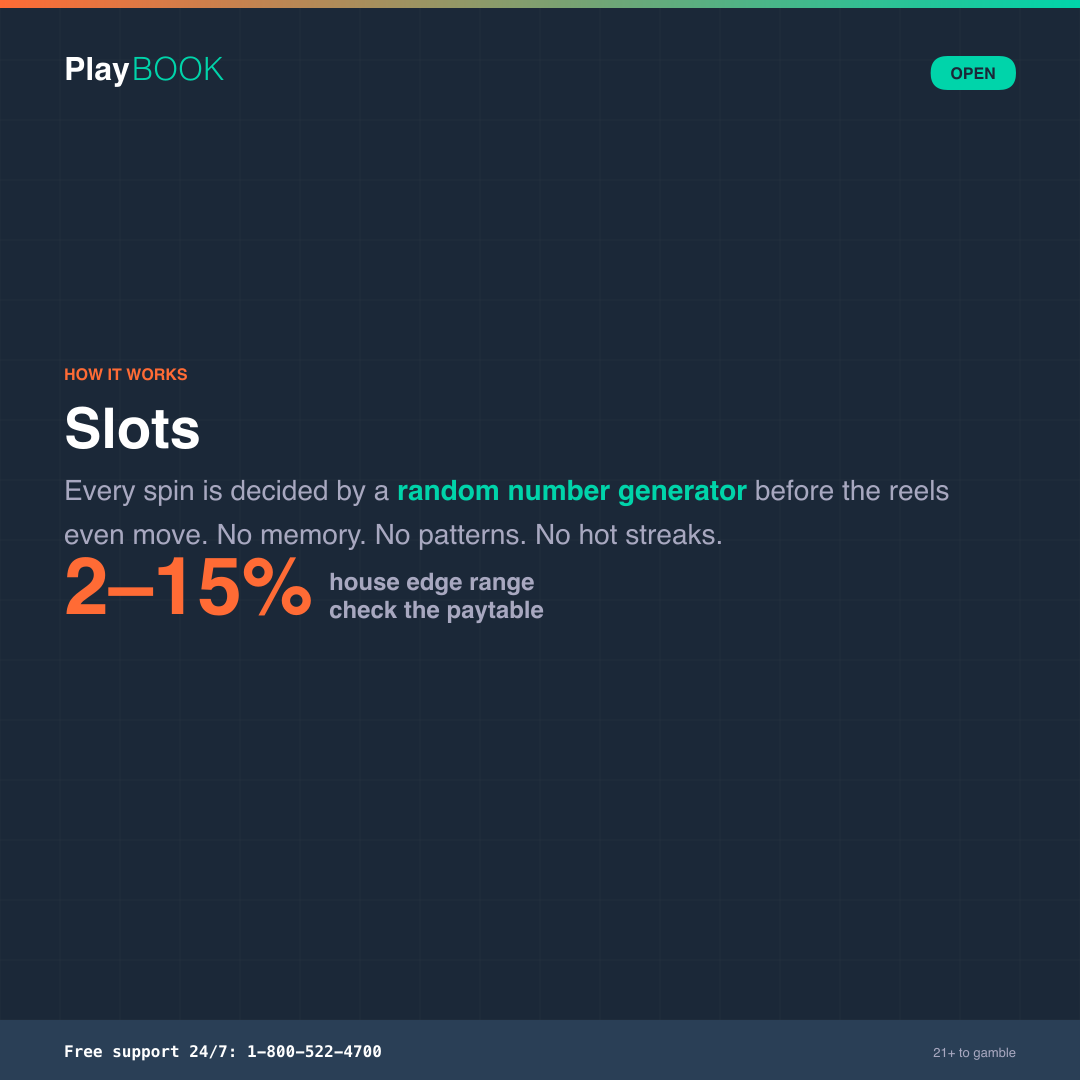
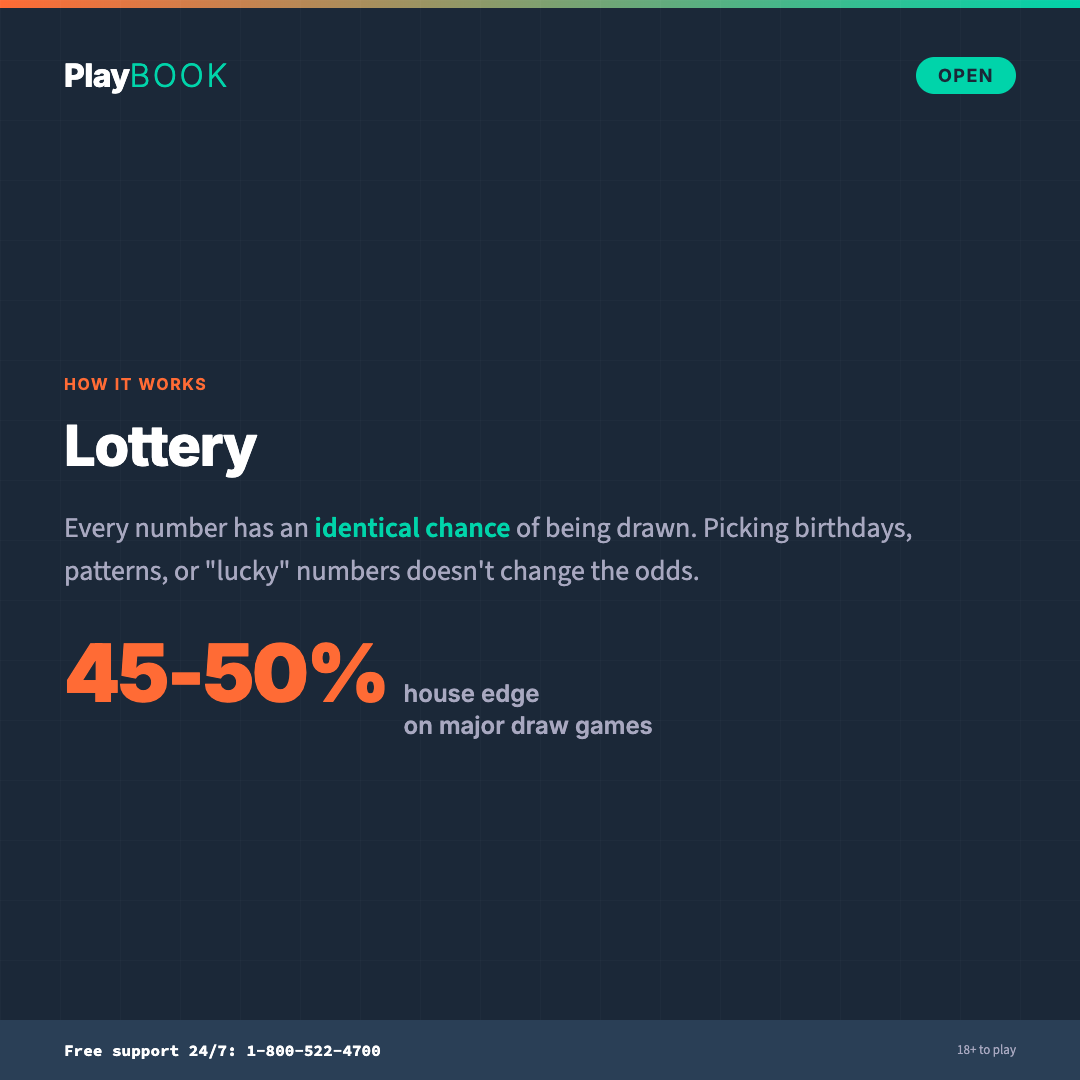
{{PROGRAM_NAME}} covers five verticals: sports betting, casino, lottery, poker, and bingo. Each has its own knowledge domains, its own misconceptions, and its own tool categories. A Recreational casino player needs session management tools and myth-busting about hot and cold machines. A Recreational sports bettor needs bankroll planning and education about vig and parlay margins. Same segment, completely different content.

Why the overlay matters. Without it, you end up with one of two failures. The first is generic content — “Know the odds!” — that’s too vague for anyone to act on. Which odds? Parlay odds? Slot RTP? Lottery jackpot probability? Each requires a completely different explanation. The second is product-only segments — “Sports Bettors” as a segment — which ignores that a first-time sports bettor and a five-year veteran need totally different things, even though they use the same product.
The overlay gives you specificity. A New/Novice + Sports player needs to learn what a -110 line means. A Recreational + Sports player already knows that — they need bankroll planning for their NFL season. Same product, different relationships, different content.
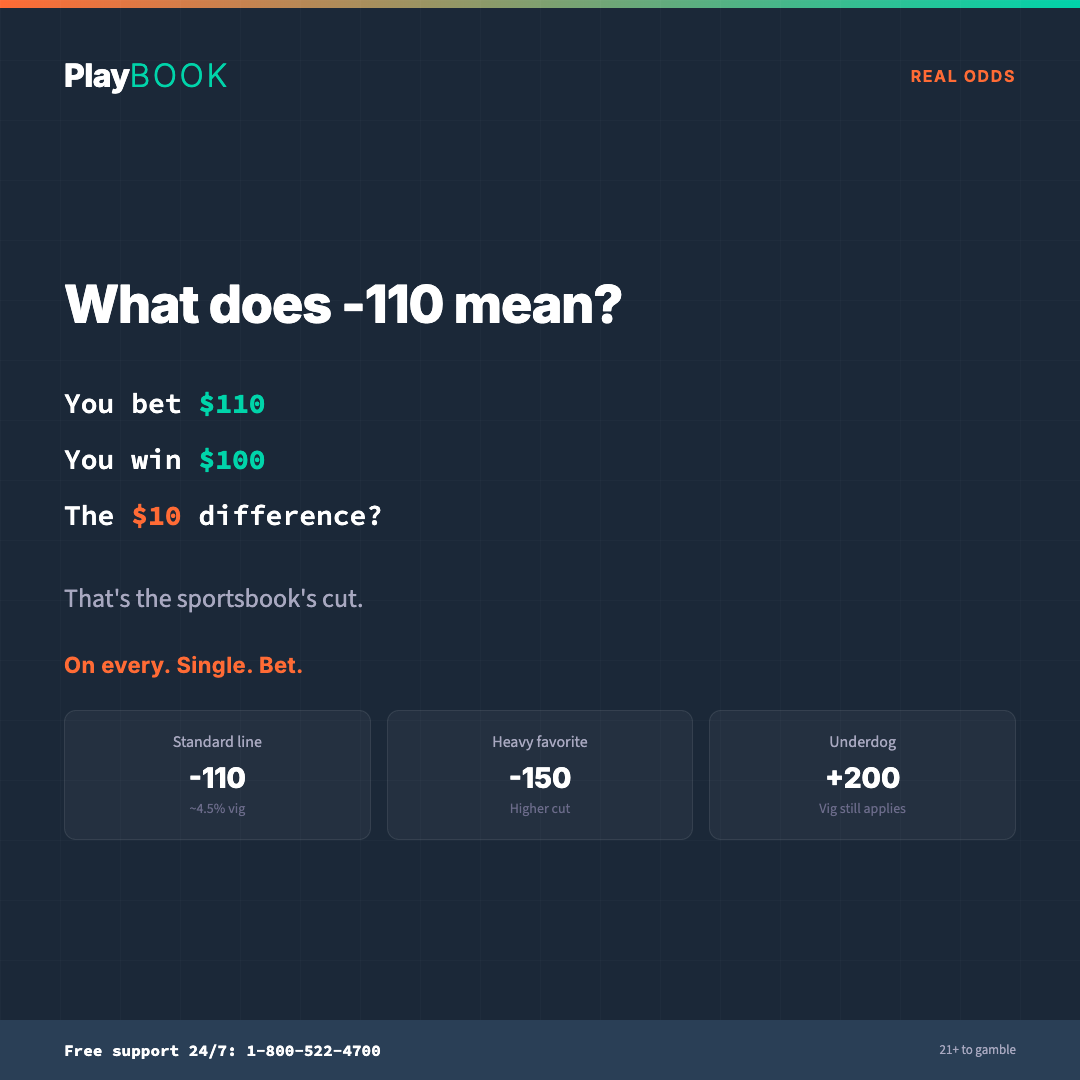
The overlay rule: The segment-vertical overlay gives you specificity that neither dimension provides alone. A player’s relationship to gambling tells you how to communicate; the product vertical tells you what to communicate about.
Narrator Script
Narrator: [transition slide] Segments describe who the player is in relationship to gambling. Product verticals describe what they’re playing. These are independent dimensions that overlay each other — think of it as a grid.
[show segment-vertical grid] {{PROGRAM_NAME}} covers five verticals: sports betting, casino, lottery, poker, and bingo. Each has its own knowledge domains, its own misconceptions, and its own tool categories.
A Recreational casino player needs session management tools and myth-busting about hot and cold machines. A Recreational sports bettor needs bankroll planning and education about vig and parlay margins. Same segment, completely different content.
[pause 3s] Without this overlay, you end up with generic content like “Know the odds!” — too vague for anyone to act on. Which odds? Parlay odds? Slot RTP? Lottery jackpot probability? Each needs a completely different explanation. Or you end up with product-only segments like “Sports Bettors” — which ignores that a first-time sports bettor and a five-year veteran need totally different things.
The overlay gives you specificity. A New or Novice plus Sports player needs to learn what a minus-110 line means. A Recreational plus Sports player already knows that — they need bankroll planning for their NFL season.
[transition to tool] Same product, different relationships, different content. Use the Vertical Explorer tool below to see how each vertical breaks down across segments, core knowledge areas, common misconceptions, and key tool categories.
Section 3: Identifying Segments in Practice
Reading
You don’t need perfect data to segment your players. {{PROGRAM_NAME}} uses three levels of identification that work at any level of data sophistication. Start at Level 1 and build up.
Level 1: Structural identification — no data needed. Your product already tells you who’s where; you just have to read the signals. A player in onboarding or their first session is New/Novice for whatever vertical they’re using. A player browsing the sportsbook is in the sports vertical (their segment depends on other signals). A player on the support or helpline page may be In-Crisis — or just information-seeking, so context matters. A visitor who arrived via a “worried about someone” link is Friends & Family, not a player. And a player browsing “How to play” content is New/Novice for that product. Structural identification isn’t a compromise — it’s often more accurate than behavioral models, because it’s based on what players are actually doing, not on what a model predicts they’ll do.
Level 2: Basic data — registration plus activity. With account age, deposit frequency, session counts, and product usage, you can infer more. Account age plus consistent activity points to Recreational — someone playing steadily for months with no escalation is likely Recreational. Multi-vertical usage plus high frequency points to a potential Enthusiast — regular play across multiple products, especially with proactive tool use, suggests deep engagement. First deposit plus first session points to New/Novice — the most reliable signal; if they just signed up, they’re new to your platform regardless of their experience elsewhere. And a referral from a support search points to Friends & Family — a visitor arriving via “gambling help for families” is almost certainly a concerned other.
Level 3: Behavioral analytics — the most powerful level. With full behavioral data — play patterns, session trends, limit-setting history, content engagement — you unlock the capability that matters most: At-Risk detection. The behavioral indicators for At-Risk are escalating deposits (spending more over time, especially after losses), chasing losses (increasing bets to recover previous losses), increasing session length and frequency (playing longer and more often than their baseline), repeated limit increases (raising self-imposed limits shortly after hitting them), late-night play spikes (sessions shifting to unusual hours), and out-of-pattern behavior (sudden changes in stake size, product, or frequency).
No single indicator is definitive. Patterns matter. A one-time large bet during the Super Bowl is normal. A sustained increase in stake size over three weeks is a signal. Context is everything.
Try reading the signals yourself. The exercise below gives you six short player snapshots. For each one, pick the segment the player most likely belongs to — then check which level the signal came from: structural, basic data, or behavioral. Watch for the escalation pattern that separates At-Risk from a busy Enthusiast.
Operator integration point: Which level you can reach depends on your own systems — your CRM, your analytics stack, and any responsible-gambling monitoring you already run. Most operators launch successfully on structural identification alone, because your product touchpoints already tell you more than you think. If your organization has its own player-risk indicators, escalation thresholds, or analytics definitions, link them here so this teaching stays consistent with your tooling: Internal Policies
Narrator Script
Narrator: [transition slide] You don’t need perfect data to segment your players. {{PROGRAM_NAME}} uses three levels of identification that work at any level of data sophistication.
[show Level 1 card] Level 1 is structural identification — no data needed. Your product already tells you who’s where. A player in onboarding? New or Novice. Browsing the sportsbook? Sports vertical. On the support page? Potentially In-Crisis. Arrived via a “worried about someone” link? Friends and Family. Structural identification isn’t a compromise — it’s often more accurate than predictive models, because it’s based on what players are actually doing right now.
[show Level 2 card] Level 2 uses basic data — account age, deposit frequency, session counts. Consistent activity over months with no escalation points to Recreational. Multi-vertical usage with high frequency suggests Enthusiast. First deposit and first session is reliably New or Novice.
[show Level 3 card] Level 3 is behavioral analytics — the most powerful level. With full behavioral data, you can detect At-Risk patterns: escalating deposits, chasing losses, increasing session length, repeated limit increases, late-night play spikes, and out-of-pattern behavior.
[pause 3s] No single indicator is definitive. Patterns matter. A one-time large bet during the Super Bowl is normal. A sustained increase in stake size over three weeks is a signal. Start at Level 1. Move to Level 2 when you have the data. Level 3 is a long-term goal.
Section 4: Adapting Messages
Reading
The same core message adapts to different segments by changing tone, depth, and framing — not the underlying information. The fact doesn’t change. The lens does.
Five rules govern adaptation:
- Keep the fact; adjust the depth. New/Novice needs the definition, Recreational needs the comparison, and Enthusiast needs the advanced angle.
- Match the product’s language. Use the relevant vocabulary: “vig” for sports betting, “rake” for poker, and “RTP” for casino games.
- Respect existing knowledge. Build on what the player knows instead of repeating the basics.
- Prioritize tools and support for At-Risk and In-Crisis moments. When indicators suggest difficulty, make tools and support easy to reach.
- Use the general voice by default. Adapt when the touchpoint, campaign, or behavioral data calls for it.
Segments aren’t permanent labels — they describe where a player is right now. Players move between segments as their knowledge grows, their habits change, or life circumstances shift. Your content strategy needs to account for these transitions, not just the states themselves. Each transition has a trigger — the behavioral signal that tells you something is changing — and a content response — how your messaging should adapt. The goal is to meet the player where they’re heading, not where they were.
New/Novice → Recreational is triggered by time plus knowledge: the player learns how the product works and develops consistent patterns. The response is to gradually reduce “how it works” content and introduce engagement content, myth-busting, and social features.
Recreational → Enthusiast is triggered by deepening engagement, increasing knowledge, and multi-vertical exploration. The response is to offer advanced content, stop repeating basics, and treat them as a peer, not a student.
Any → At-Risk is triggered by behavioral indicators: escalating deposits, chasing losses, increasing frequency, repeated limit changes. The response is to increase tool visibility, add gentle check-ins, and make support one tap away — never to label or diagnose.
At-Risk → In-Crisis is triggered by self-identification (clicking “I need help”), self-exclusion initiation, or severe behavioral patterns. The response is a Tier 2 response: zero friction, zero cleverness, immediate access to support.
At-Risk → Recreational is triggered when patterns stabilize, behavior returns to baseline, and the tools are working. The response is to quietly reduce check-in frequency, never celebrate or reference the risk period, and resume normal content.
Notice that movement is not always forward. A Recreational player who hits a stressful life event may shift toward At-Risk, then return to Recreational once things stabilize. An Enthusiast who tries a new product vertical drops back to New/Novice for that specific product. The model is fluid by design — it responds to behavior, not biography.
The inflection-point rule: The most important content moments happen during segment transitions — when a New/Novice is becoming Recreational, or when a Recreational player starts showing At-Risk signals. Build content for these inflection points, not just steady states. If you only have content for “where they are,” you’ll always be one step behind.
Narrator Script
Narrator: [transition slide] The same core message adapts to different segments by changing tone, depth, and framing — not the underlying information. The fact doesn’t change. The lens does.
[show five-rules card] Five rules govern adaptation. Same fact, different depth — New or Novice needs the definition, Recreational needs the comparison, Enthusiast needs the advanced angle. Match their language — sports bettors say “vig,” poker players say “rake,” casino players know “RTP.” Respect what they already know — don’t explain house edge to an Enthusiast. At-Risk and In-Crisis get tools, not education — when behavioral indicators suggest difficulty, more information isn’t the answer. And the general voice works for most content — only adapt when the touchpoint or data demands it.
[transition to tool] Use the Message Adapter tool to see this in action. Start with the core message “Every game has a house edge” and click each segment to see how the same truth adapts. Then add the vertical overlay to see how even a single segment’s message changes by product.
[pause 3s] After that, you’ll see the segment movement patterns — how players transition between segments and how your content should respond. The most important content moments happen at these inflection points, not during steady states. Time to test what you’ve learned.
Module Test
Narrator: Time to test what you’ve learned. Six questions covering the segmentation model, product vertical overlay, identifying segments, and adapting messages. You need 80 percent to mark this module complete. Take your time — several questions test the product-contextual nature of the model.
Question 1
Assesses: Learning objective 1
Stem: What is the fundamental basis for {{PROGRAM_NAME}}‘s segmentation model?
| Option | Text |
|---|---|
| A | Demographics — age, gender, location |
| B | Product preference — which games they play |
| C | Relationship to gambling — knowledge level, engagement patterns, and behavioral indicators |
| D | Spending level — how much they deposit |
Correct: C
Explanation: {{PROGRAM_NAME}} segments by relationship to gambling, not demographics or product choice. A 22-year-old and a 55-year-old who both play casually and understand the odds are both Recreational players. Demographics don’t determine how to communicate with someone — their relationship to the activity does.
Source: Audience Segmentation
Question 2
Assesses: Learning objective 2
Stem: A loyal lottery player of 10 years signs up for your new sportsbook product. What segment are they for sports betting content?
| Option | Text |
|---|---|
| A | Recreational — they’re an experienced gambler |
| B | Enthusiast — they clearly love gambling if they’re adding products |
| C | New/Novice — they’re new to THIS specific product |
| D | At-Risk — adding a new product could signal escalation |
Correct: C
Explanation: New/Novice is product-contextual. This player knows lottery well (probably Recreational or Enthusiast for lottery) but is a genuine novice for sports betting. They need sports-specific education: how betting lines work, what vig means, how parlays multiply risk. Their lottery experience doesn’t transfer.
Source: Audience Segmentation
Question 3
Assesses: Learning objective 2
Stem: What is the relationship between segments and product verticals in {{PROGRAM_NAME}}‘s model?
| Option | Text |
|---|---|
| A | Each vertical has its own set of segments |
| B | Segments and verticals are the same thing |
| C | Segments describe the player’s relationship; verticals describe what they play — they overlay independently |
| D | Verticals only matter for New/Novice players |
Correct: C
Explanation: Think of it as a grid: segments on one axis (who they are in relationship to gambling), verticals on the other (what product they’re using). A Recreational Sports Bettor needs different content than a Recreational Casino player — same relationship, different product context.
Source: Audience Segmentation
Question 4
Assesses: Learning objective 3
Stem: How should you handle a player who is an Enthusiast in casino but has just started using your sportsbook?
| Option | Text |
|---|---|
| A | Treat them as an Enthusiast across all products |
| B | Treat them as New/Novice across all products |
| C | Enthusiast for casino touchpoints, New/Novice for sportsbook touchpoints |
| D | Ask them to complete a knowledge quiz to determine their segment |
Correct: C
Explanation: Segments can differ by vertical. On your casino product, respect their expertise and offer advanced content. On your sportsbook, they need the basics — what vig is, how lines work, why parlays are risky. Don’t assume knowledge transfers between verticals.
Source: Audience Segmentation
Question 5
Assesses: Learning objective 1
Stem: What distinguishes At-Risk from In-Crisis?
| Option | Text |
|---|---|
| A | At-Risk players lose more money |
| B | At-Risk shows behavioral indicators suggesting players in difficulty; In-Crisis is actively seeking help or showing severe distress |
| C | They’re the same segment with different names |
| D | At-Risk is identified by operators; In-Crisis is self-identified |
Correct: B
Explanation: At-Risk is a Tier 1/2 boundary — behavioral indicators suggest patterns may be non-rational, and the response is increased tool visibility and gentle check-ins. In-Crisis is firmly Tier 2 — the player is in distress or actively seeking support, and the response is immediate, frictionless access to help.
Source: Audience Segmentation
Question 6
Assesses: Learning objective 3
Stem: When should you use segment-specific messaging instead of the general {{PROGRAM_NAME}} voice?
| Option | Text |
|---|---|
| A | Always — every piece of content should target a specific segment |
| B | Only for At-Risk and In-Crisis players |
| C | When the touchpoint is inherently segment-specific, a campaign targets one segment, or behavioral data identifies a segment |
| D | Never — the general voice works for everyone |
Correct: C
Explanation: The general {{PROGRAM_NAME}} voice is your default — it works for everyone. Adapt only when the touchpoint inherently serves a segment (a parlay builder = sports vertical), a campaign deliberately targets one group, or behavioral data triggers a segment match. Most content doesn’t need segment-specific adaptation.
Source: Audience Segmentation
Key Takeaways
- Six segments, relationship-based: New/Novice, Recreational, Enthusiast, At-Risk, In-Crisis, Friends & Family — defined by knowledge, engagement, and behavior, not demographics
- Product-contextual: A player can be Recreational in casino and New/Novice in sports simultaneously — segment is tied to a specific product
- Dynamic: Players move between segments as behavior changes — design content for transitions, not just steady states
- Five verticals overlay independently: Sports, Casino, Lottery, Poker, Bingo — each has its own knowledge domains and misconceptions
- Three identification levels: Structural (no data needed), basic data, behavioral analytics — start at Level 1 and build up
- Adapt the lens, not the fact: The same core message changes by tone, depth, and vocabulary depending on segment and vertical — but the underlying truth stays constant
- General voice is your default: Only adapt for segment-specific touchpoints, targeted campaigns, or behavioral data matches
Source basis
You don’t need to read these, but they’re the published research behind the model’s claims — in case a colleague asks.
- Blaszczynski, A., Ladouceur, R., & Shaffer, H.J. (2004). A science-based framework for responsible gambling: The Reno Model. Journal of Gambling Studies, 20(3), 301–313. Why it’s here: the basis for treating the majority of players as recreational and informed-choice-capable — which is why the model’s three engagement segments, not a deficit label, are the default read.
- Currie, S.R., Hodgins, D.C., & Casey, D.M. (2013). Validity of the problem gambling severity index interpretive categories. Journal of Gambling Studies, 29(2), 311–327. Why it’s here: evidence that gambling involvement sits on a graded continuum rather than in fixed types — the empirical backbone for segments being dynamic and behavior-read, not static labels.
- Gainsbury, S.M., Russell, A., Hing, N., Wood, R., Lubman, D., & Blaszczynski, A. (2015). How the Internet is changing gambling: Findings from an Australian prevalence study. Journal of Gambling Studies, 31(1), 1–15. Why it’s here: documents the same player engaging across multiple products and channels — the real-world basis for the product-vertical overlay and the product-contextual rule.
References
| Resource | What to use it for |
|---|---|
| Audience Segmentation | Full segment definitions, product verticals, behavioral indicators |
| Brand Personality | Voice registers and tone guidance for each segment |